Conservation at Our Winery in Margaret River
Possum Conservation Sanctuary in Margaret River
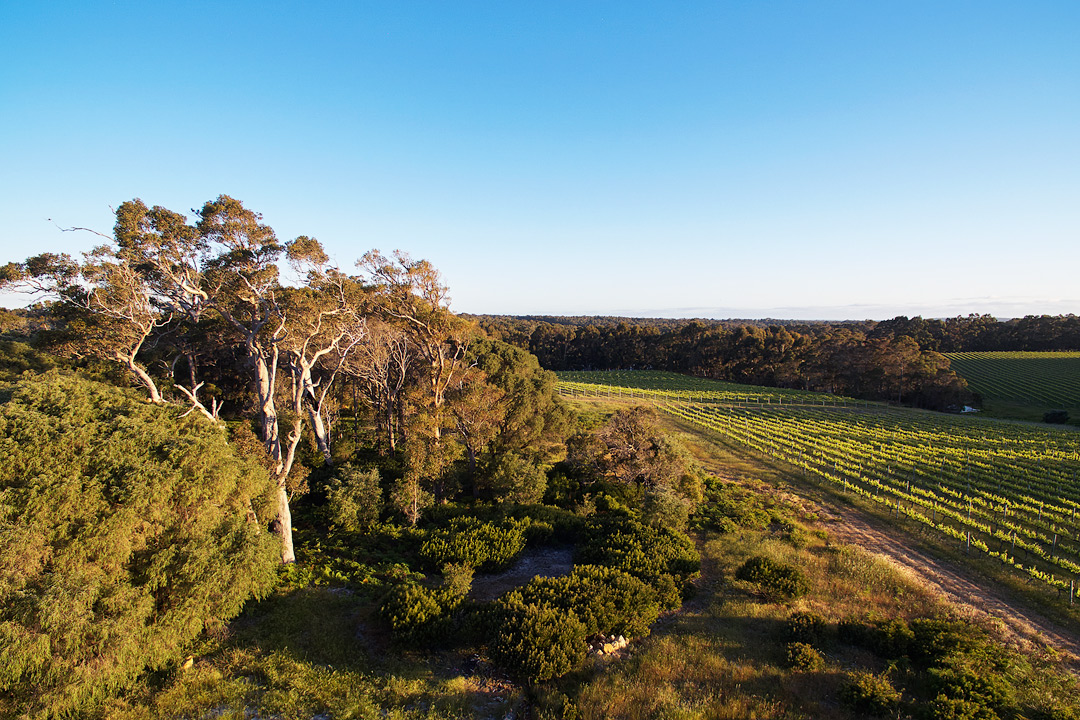
Passel Estate is situated in the heart of the world-renowned Margaret River wine region. Its gentle sloping vineyards are surrounded by spectacular granite outcrops and pristine bushland comprising jarrah, red gum, peppermint and ancient grass trees. Sea breezes from the Indian Ocean nearby provide calming relief in the summer months. This special location not only produces some of the region’s finest wine grapes, but has also been chosen to provide sanctuary to the endangered Western Ringtail Possum.
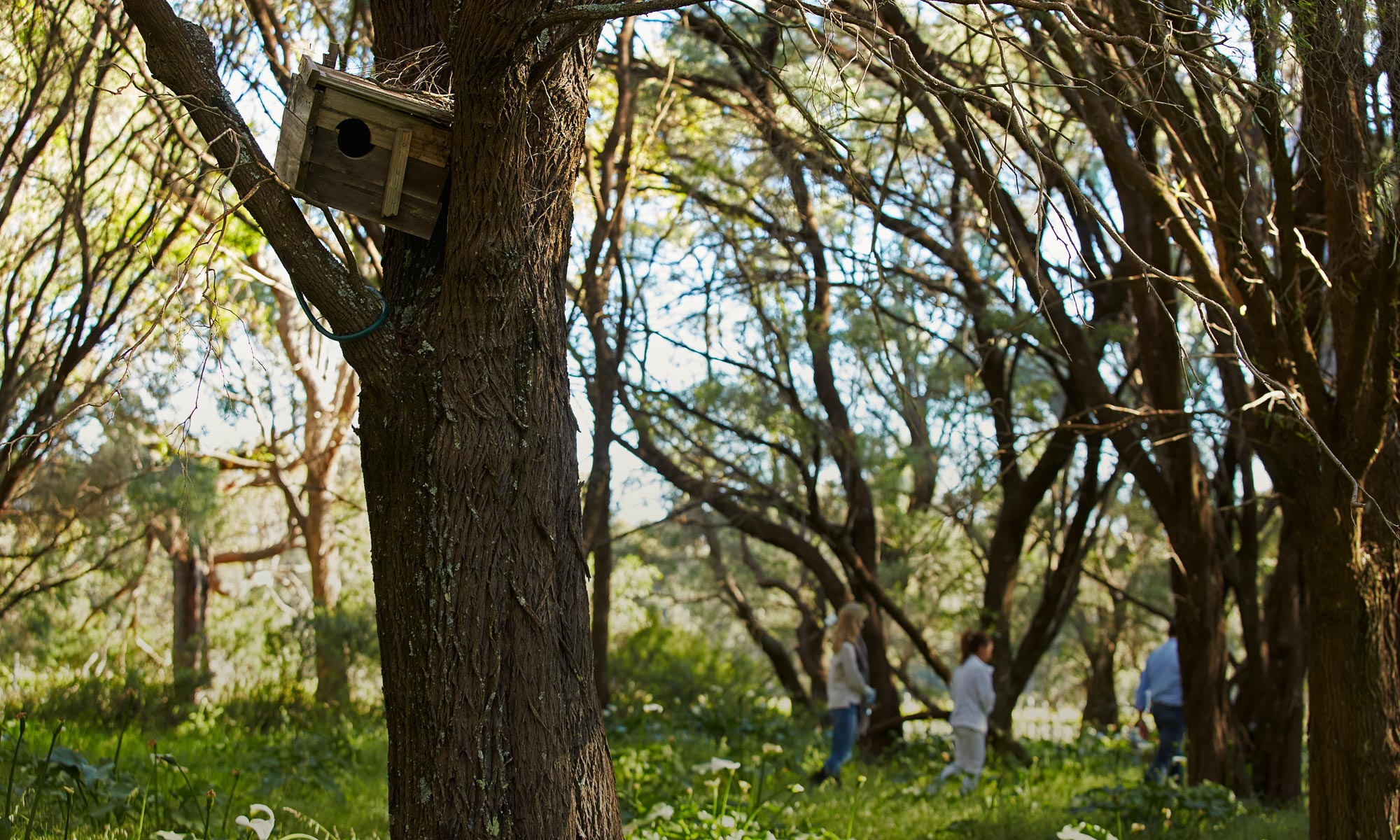
Following the Margaret River bushfires of 2011, the owners of Passel Estate provided refuge to a family (or Passel) of endangered Western Ringtail Possums that had been displaced by the fires. The possums quickly adapted to their new surrounds and the sanctuary provided by the giant peppermint trees, (Agonis flexuosa). The original possum boxes that assisted in their release can be spotted throughout the property.
The owners have since installed two soft-release enclosures alongside the creekline, to enable the successful rehabilitation of more Western Ringtail Possums at the estate, working alongside local conservation groups and guided by the code of practice for wildlife rehabilitation in Western Australia. The soft-release enclosures enable the young possums to adjust safely to life in the sanctuary before being fully released.
The possum in the photo is Amy, one of the third generation of Western Ringtail Possums released at Passel Estate, and the first female to go through our soft release programme.

Conservation Context – Western Ringtail Possums
- In 2017, the International Union for Conservation of Nature (IUCN) estimated that only around 3,400 mature Western Ringtail Possums remained in the wild, leading to its classification as Critically Endangered. — IUCN Red List
- A recent large-scale survey estimate a population of about 21,800 Western Ringtail Possums within surveyed areas, suggesting numbers are significantly higher than previously thought, though the species remains critically endangered. — Murdoch University
- Populations have declined by more than 80% from their historical range and are now only found in the southwest of Western Australia — Western Australian Museum / IUCN Red List.
- Margaret River has been identified as a key “climate refuge” for possums. — UWA Study featured by ABC News.
- Western Ringtail Possums are nocturnal and arboreal. — Western Australian Museum.
Protecting Habitat and Wildlife in Margaret River
“It was always a shared dream to create a sanctuary for endangered wildlife. The bushland at Passel Estate allows us to realise that dream.”
Wendy and Barry Stimpson, Passel Estate Owners
Passel Estate continues to support and provide sanctuary to rare and threatened native fauna, which (in addition to the Western Ringtail Possum) includes Quendas, Phascogales and White and Red Tailed Black Cockatoos.
Additional conservation measures include the irrigation of peppermint woodlands in the heart of the vineyard (to encourage lush canopy and new foliage favoured by the Western Ringtail Possum), feral predator and weed control, as well as re-vegetation of the creek-lines and ‘bush corridors’ (to enhance links for smaller fauna to move between remnant bushland areas).
Nature & Wine Walk: Support Our Conservation Projects in Margaret River
Visitors can now enjoy a private tour of our Margaret River conservation sanctuary and taste our award-winning wine in situ alongside the very vines that went into your glass. Booking for the Passel Estate Nature & Wine Walk experience is essential and a sizeable portion of the proceeds of each booking goes directly towards further conservation efforts for our resident Western Ringtail Possums and other native fauna at the Estate, making your visit both memorable and meaningful.
Booking for the Passel Estate Nature & Wine Walk experience is essential:
Sustainable Winegrowing at Passel Estate
Passel Estate is proud to be a certified member of Sustainable Winegrowing Australia. This certification recognises our sustainable viticulture and business practices, including protecting soil health, conserving water and enhancing biodiversity in the vineyard ecosystem.
Frequently Asked Questions
The endangered Western Ringtail Possum is native to South West Australia but is under severe threat from habitat loss and bushfires. At Passel Estate, we provide safe habitat and a soft-release programme to support possum conservation in Margaret River by successfully reintroducing injured or orphaned possums in to the bushland sanctuary.
It is very unlikely that you will see any possums when you visit, as they are nocturnal and sleep high in the trees. Passel Estate’s Nature & Wine Walk showcases our conservation efforts; it is not necessarily an opportunity to view possums in residence. Our sanctuary for wildlife is a genuine conservation programme, not a tourist attraction or chance to interact with any of the possums going through our soft-release programme.
In addition to possums, Passel Estate’s sanctuary supports other native wildlife, including Quendas, Phascogales, and White and Red-Tailed Black Cockatoos. Conservation measures also include predator control, re-vegetation, and irrigation of peppermint woodlands to strengthen the habitat for Western Ringtail Possums and other native fauna.